

 Spine Support


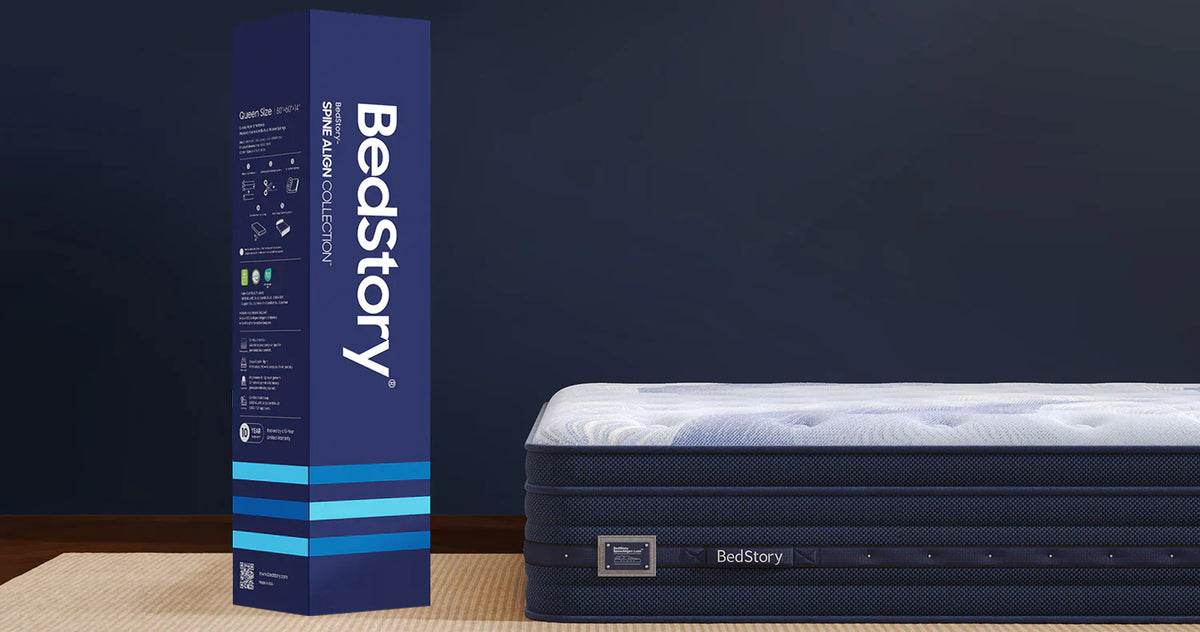
A full-size bed arriving in a box small enough to carry through a front door sounds like a gimmick. It isn't. A mattress in a box is a regular mattress, built from foam or foam and coils, that has been compressed, rolled and sealed so it can ship straight to your home.
This guide explains what a mattress in a box is, how the compression and expansion actually work, and where these beds shine or fall short. By the end you will know how to judge quality, set one up, and decide whether a bed in a box is right for you.
Quick answer
- What it is: a regular foam or hybrid mattress, compressed, rolled and sealed to ship in a box
- Unboxing: about ten minutes
- Expansion: near full size in minutes, fully expanded in 24 to 72 hours
- Lifespan: 7 to 10 years for a quality model
What Is a Mattress in a Box?
A mattress in a box, also called a bed in a box, is a mattress that is compressed and vacuum-sealed at the factory, then delivered in a compact carton. You open the box, unroll the mattress, and it expands to full size in your bedroom.
The idea took off when online brands began selling directly to customers. Skipping the showroom cut costs and made delivery simple, and it changed how many people buy a bed. Today the category covers memory foam, latex, hybrid and even some innerspring designs, in every standard size.
How Does a Mattress in a Box Work?
A mattress in a box works because foam is mostly air. Squeezing that air out makes the mattress small, and the foam's elasticity pulls it back to shape once the seal is broken.
Compressed and Packed
After the layers are assembled, a machine presses the mattress flat and rolls it tightly. It is wrapped in plastic, sealed to hold the compression, and slid into a box. Hybrid models with coils are usually wrapped individually so the springs can compress without damage.
Foam Springs Back
Memory foam and polyfoam have an open-cell structure. When the plastic is cut, air rushes back into the cells and the foam recovers its original shape. Quality foam is designed to do this repeatedly without losing support.
Unboxed and Unrolled
Unboxing a mattress in a box takes about ten minutes. You place the box where the bed will sit, remove the wrapping, unroll the mattress, and cut the plastic. You will hear the air rush in and see the mattress swell almost right away.
Fully Expanded
Most mattresses in a box look nearly full size within a few minutes and feel comfortable in a few hours. Full firmness and shape can take 24 to 72 hours, especially for thicker or hybrid models. A room at normal temperature with some airflow helps the process along.
Why a Mattress in a Box Works: Key Benefits
The format solves several real problems that come with buying a bed the traditional way.
- Easy delivery and setup. The box fits in an elevator, up a staircase and around tight corners, and you do not need a delivery crew.
- Better value. Selling direct removes showroom and middleman costs, so more of the price goes into materials.
- Risk-free testing. BedStory brands offer a 365-night home trial, so you can sleep on the bed for weeks before you commit.
- A wide comfort range. You can find soft, medium and firm options in every size.
- Simple moves. If you rent or relocate often, a boxed mattress is far easier to transport than a rigid one.
Is a Mattress in a Box Good Quality?
Yes, when it is well made. The idea that boxed means cheap comes from early budget models, but compression does not harm good foam. What matters is the construction, not the packaging.
When you compare options, look at these details:
- Foam density. Higher-density foam holds its shape and lasts longer.
- Layer construction. A supportive base layer with a comfort layer on top prevents sagging.
- Certifications. Labels such as CertiPUR-US show the foam meets standards for emissions and content.
- Warranty length. A ten-year warranty signals confidence in durability.
A well-built bedstory mattress uses high-density foam layers, so compression for shipping does not affect long-term comfort or support. It also addresses one of the most common complaints about foam, which is trapped heat.
Mattress in a Box vs Traditional Mattress
Both can be excellent. The difference is mostly how you buy and receive the bed.
| Factor | Mattress in a box | Traditional mattress |
|---|---|---|
| Price | Often lower for similar materials | Higher, with showroom markup |
| Delivery | Ships in a box to your door | Delivered by truck, sometimes scheduled weeks out |
| Trying it | Home trial, usually 100 nights or more | A few minutes in a store |
| Materials | Foam, latex, hybrid | Innerspring, foam, hybrid |
| Returns | Often free pickup or donation | Varies, may include restocking fees |
| Moving | Easier to move when compressed | Heavy and rigid |
Are There Any Downsides?
A mattress in a box is not perfect for everyone, and it helps to know the trade-offs up front.
- Off-gassing. New foam can have a mild smell that fades within a few days in a ventilated room.
- Heat retention. Basic foam can sleep warm, so hot sleepers should look for cooling features or add a cooling mattress topper.
- Weight. Once expanded, the mattress is heavy and hard to reposition, so place it where you want it before unrolling.
- Return logistics. Sending back a large mattress can take effort, though many brands arrange pickup.
- No in-store test. You rely on the trial period instead of lying on it first.
How to Choose the Right Mattress in a Box
Start with how you sleep, then narrow the options with our mattress buying guide.
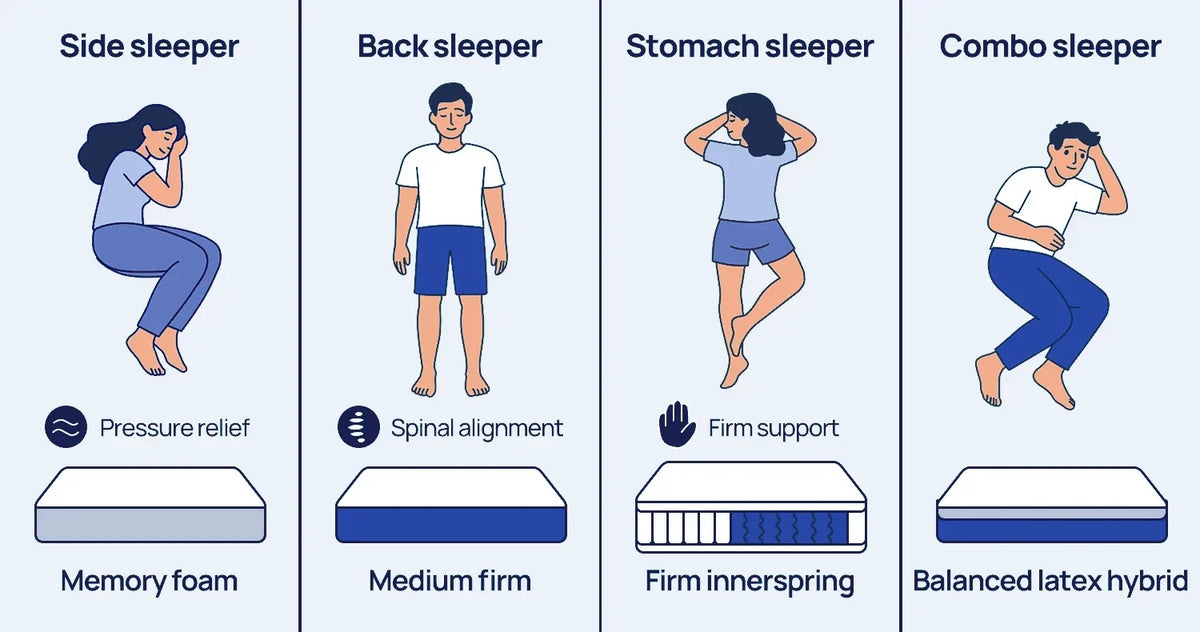
- Sleeping position. Side sleepers usually prefer softer, pressure-relieving foam. Back and stomach sleepers often need medium to firm support.
- Body weight. Heavier sleepers benefit from thicker, denser layers or a hybrid design.
- Temperature. If you sleep hot, choose cooling foam, breathable covers or a hybrid with airflow through the coils.
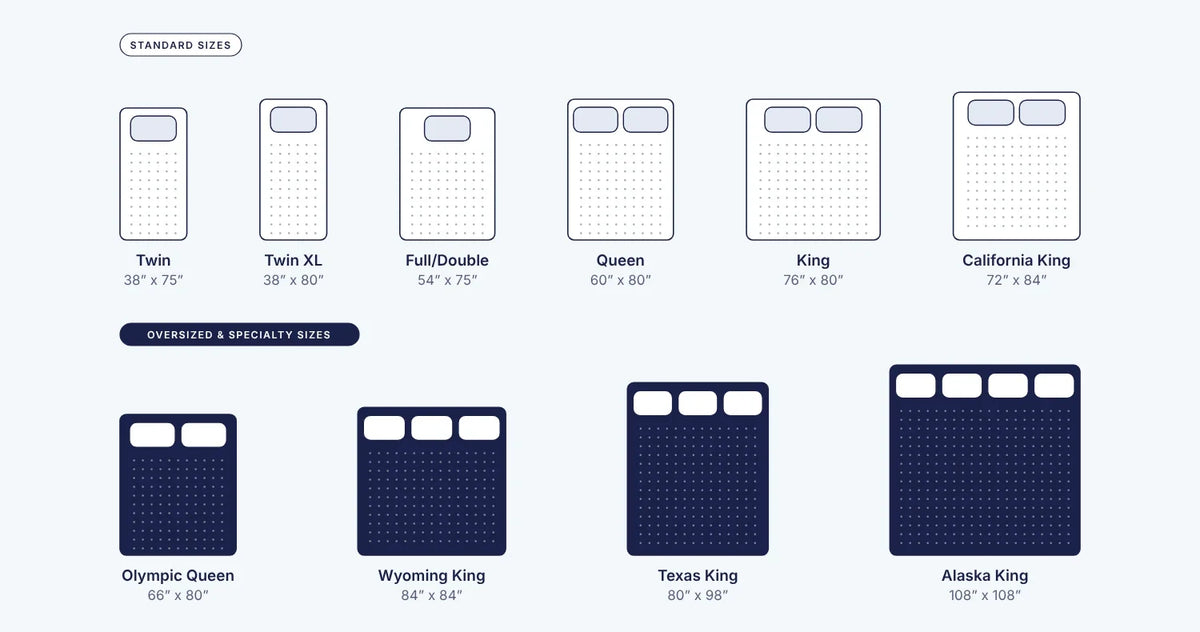
- Size. Check the mattress size guide and measure your room and bed frame before you order, since returns are a hassle.
- Trial and warranty. Check how long the trial lasts and what the warranty covers.
How to Set Up Your Mattress in a Box
- Place the box in the room where the bed will go, on a sturdy frame or foundation.
- Remove the mattress from the box and lay it flat.
- Unroll it and cut away the plastic, using scissors with care so you do not nick the cover.
- Let it expand fully, usually 24 to 72 hours.
- Add a mattress protector and your bedding once it has fully expanded.
Frequently Asked Questions
How long does a mattress in a box take to expand?
Most reach near full size within minutes and feel ready within a few hours. Allow 24 to 72 hours for complete expansion.
Do mattresses in a box last as long as regular mattresses?
A quality mattress in a box typically lasts 7 to 10 years, similar to a traditional mattress of the same materials. Foam density and construction matter more than how it was shipped.
Can I put a mattress in a box on any bed frame?
Most work on slatted frames, platform beds and foundations. Slats should be no more than about 3 inches apart so the foam is properly supported.
Does a mattress in a box smell?
Some have a faint new-foam odor. It usually fades in a few days with good ventilation.
Final Thoughts
A mattress in a box works because foam compresses and recovers, and because skipping the showroom makes good beds easier to buy. When you check foam density, certifications and trial terms, a bed in a box can match a traditional mattress for comfort and durability, often at a better price.
Ready to find yours?
Every BedStory mattress comes with a 365-night home trial and free U.S. shipping.
Shop all mattresses